Sideways and Overlooked: The Stubborn Persistence of Horizontal Video in a Portrait-First World
The Screen Has Rotated. The Industry Hasn't.
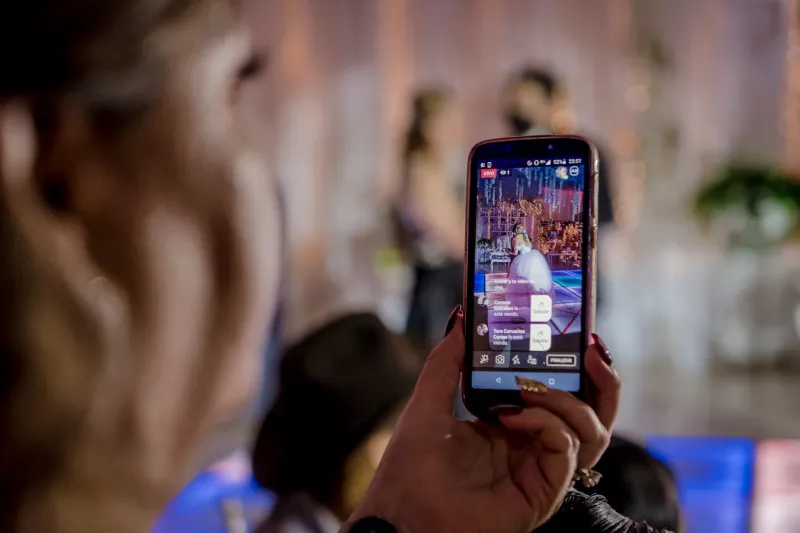
Consider the physics of modern content consumption. A person riding the subway in Chicago, scrolling through Instagram Reels during a lunch break in Austin, or watching TikTok before bed in Atlanta holds their phone in one consistent orientation: vertical. Portrait mode is not a preference. It is a posture. It is the natural resting position of the human hand when it reaches for a device.
And yet, walk into the production planning meeting at a significant number of American brand marketing departments, and the default frame ratio being discussed is still 16:9—the widescreen format engineered for televisions, desktop monitors, and theatrical projection. The same format that assumes the audience is seated, stationary, and facing a horizontal surface.
The data has been unambiguous for years. Vertical video consistently generates higher completion rates, stronger engagement metrics, and superior click-through performance on every major platform where portrait-format content is native. The format mismatch between what brands produce and where audiences actually consume content is not a minor inefficiency. It represents a structural failure in how many organizations approach video strategy.
Why the Horizontal Default Persists
The persistence of horizontal production is not simply a matter of aesthetic preference. It reflects something deeper: the accumulated weight of institutional habit, legacy workflows, and an industry built around equipment and expertise optimized for a format that predates the smartphone era.
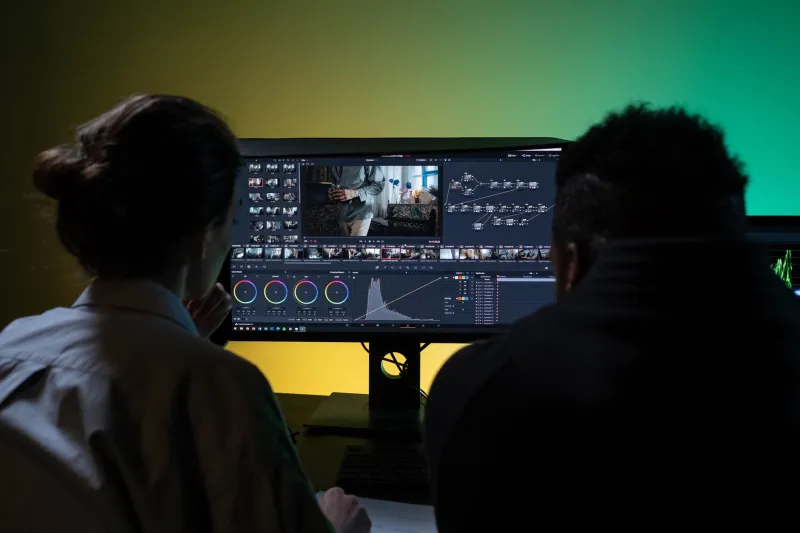
Most professional camera systems, lighting rigs, and studio configurations are designed with horizontal framing as the assumed output. Directors of photography train in horizontal composition. Editing software interfaces are built around horizontal timelines and preview windows. When a brand hires a production company with fifteen years of commercial experience, it is hiring a team whose muscle memory defaults to landscape.
Organizational approval chains compound the problem. Brand managers present video concepts to senior leadership using desktop presentations and conference room screens—horizontal surfaces that make vertical content look awkward and undersized. A vertical video previewed on a boardroom monitor appears as a narrow strip flanked by black bars. The format that performs brilliantly on a mobile feed looks diminished in the environment where budget decisions get made.
The result is a feedback loop that reinforces horizontal production at every decision point, even as the audience has long since moved on.
The Competitive Cost of Format Inertia
Brands that continue defaulting to horizontal formats are not simply leaving aesthetic value on the table. They are conceding measurable real estate on the platforms that now control the majority of video consumption in the United States.
Platform architecture rewards native format content in concrete ways. On TikTok, Instagram Reels, YouTube Shorts, and Snapchat, vertical video occupies the full screen. Horizontal content, by contrast, is rendered at a fraction of the available display area, surrounded by interface elements and negative space that dilute the visual impact and signal to the viewer—consciously or not—that this content was not made for them or for this environment.
Algorithms on these platforms also factor in engagement signals that vertical content tends to generate more readily: longer watch time, lower early-exit rates, and higher interaction frequency. When a brand publishes horizontal content on a vertical-native platform, it is not simply making a formatting choice. It is entering a competitive environment at a structural disadvantage.
Competitors who have reorganized their production pipelines around portrait-first thinking are capturing that advantage. Direct-to-consumer brands, challenger companies, and digitally native organizations have been particularly aggressive in adopting vertical-first workflows—and their engagement metrics reflect the investment.
The Portrait-First Workflow Is Not a Minor Adjustment
One of the most common misconceptions about vertical video is that it can be addressed through post-production cropping. The logic seems reasonable: shoot horizontally, then reframe for vertical delivery. In practice, this approach produces content that is visually compromised, compositionally awkward, and immediately identifiable as an afterthought.
Authentic vertical content requires portrait-first thinking at every stage of production. Subject placement, background selection, lighting ratios, camera movement, and on-screen text positioning all behave differently in a 9:16 frame than they do in a 16:9 environment. A wide two-shot that reads clearly in landscape becomes an impossible compositional problem when cropped to portrait. A lower-third graphic that sits comfortably in horizontal space gets buried or clipped when the frame is reoriented.
Brands that commit to vertical video as a primary format—rather than a derivative output—build production systems that plan for portrait from the initial concept phase. Shot lists are written with vertical framing in mind. Location scouting evaluates environments for vertical depth and background clearance. Talent blocking accounts for the narrower horizontal field. This is not a cosmetic change. It is a fundamental reorientation of the production process.
Bridging the Gap Between Production Culture and Platform Reality
The path forward for brands still locked in horizontal defaults requires intervention at the organizational level, not just the technical one.
Creative briefs should specify format requirements before production planning begins, not after. Platform distribution strategy needs to inform the production brief rather than receive whatever the production team delivers. Internal review processes should include mobile preview as a standard step—vertical content should be evaluated on a phone screen, in the environment where audiences will actually encounter it, not on the conference room monitor where it will always look insufficient.
Production partners also bear responsibility for guiding this shift. Agencies and production companies that default to horizontal formats without proactively raising the vertical question are failing their clients at a strategic level. The conversation about format should happen in the discovery phase, not in the delivery review.
For brands willing to restructure their approach, the opportunity is significant. The vertical format is not a trend approaching saturation—it is the settled state of mobile media consumption. The window for competitive advantage through format fluency has not closed, but it is narrowing as more brands complete the transition.
The Frame Audiences Are Already Living In
The audience did not ask for permission before rotating the screen. They simply held their phones the way hands naturally hold phones, and the content landscape reorganized itself around that behavior. The brands that recognized this shift early and built their production infrastructure accordingly have spent the last several years accumulating engagement, reach, and platform favor that horizontal-default competitors are still trying to recover.
The vertical video paradox is, at its core, a story about the gap between where audiences live and where production culture remains anchored. Closing that gap is not a creative problem. It is a strategic and operational one—and solving it begins with the decision to stop treating the portrait frame as secondary.